
Tensions rise inside Meta’s AI push as Mark Zuckerberg, Alexndr Wang clash over control and priorities
According to people familiar with the matter, Wang has grown increasingly frustrated with Zuckerberg’s deeply hands-on leadership style, viewing the constant oversight as stifling. At the same time, some senior employees inside Meta are questioning whether Wang has the experience required to steer what is effectively the company’s $600-billion AI ambition.

ADVERTISEMENT
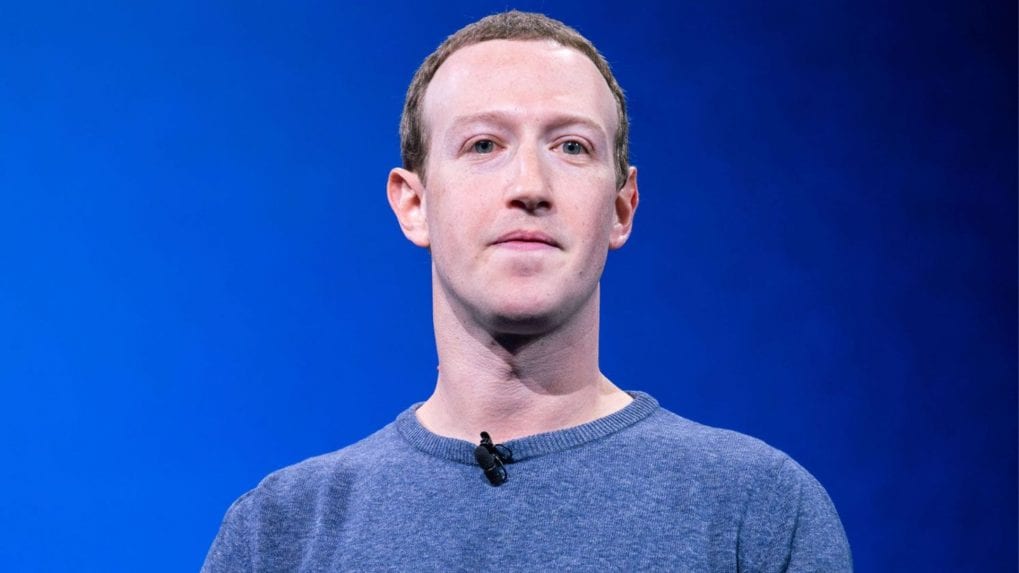
Meta’s aggressive bet on artificial intelligence is beginning to show signs of strain at the very top, with internal tensions emerging between CEO Mark Zuckerberg and his most expensive hire to date, Alexandr Wang, the 28-year-old founder recruited in a deal estimated at $14 billion, as per reports.
According to people familiar with the matter, Wang has grown increasingly frustrated with Zuckerberg’s deeply hands-on leadership style, viewing the constant oversight as stifling. At the same time, some senior employees inside Meta are questioning whether Wang has the experience required to steer what is effectively the company’s $600-billion AI ambition.
The friction came into sharp focus during a key strategy meeting this fall, when Wang’s TBD Lab team clashed with long-time Meta executives Chris Cox and Andrew Bosworth. The disagreement cut to the core of Meta’s AI strategy.
Cox and Bosworth pushed to train Meta’s next generation of AI models using Instagram and Facebook data to accelerate improvements in ads and core products. Wang strongly opposed that approach, arguing that Meta should first build world-class foundational models capable of competing with OpenAI and Google, even if it delays near-term product integration.
That divide has since hardened into an internal culture split. Wang’s researchers increasingly see themselves as architects of future superintelligence, while the company’s veteran leadership is viewed as too focused on feeds, advertising, and short-term commercial goals. Although Meta has denied specific figures, internal rumours of massive funding being channelled toward Wang’s group have only intensified the unease.
Leadership concerns deepened further in November, when Yann LeCun, Meta’s chief AI scientist and Turing Award winner, exited rather than report to Wang. People familiar with the situation say LeCun was uncomfortable taking direction from someone whose background was rooted in data labelling rather than core AI research. Around the same time, teams building products such as Vibes, Meta’s AI video feed, felt growing pressure to accelerate development in order to keep pace with competitors like OpenAI’s Sora.
The tension may have been inevitable. Zuckerberg brought Wang onboard specifically to execute his vision of “personal superintelligence.” But as Meta’s AI spending has surged into the billions, Zuckerberg’s involvement has increasingly been interpreted internally as control rather than support.
That perception strengthened this week when Zuckerberg unveiled Meta Compute, a new top-level initiative reporting directly to him. By elevating critical infrastructure decisions above Wang’s purview, the move signals that Zuckerberg is tightening his grip over Meta’s AI future.
For now, one thing is clear: Meta remains all-in on AI. But the question of who truly steers that transformation is still unresolved.