
YouTube CEO Neal Mohan warns against ‘AI slop’, outlines safeguards as generative tools scale in 2026
“The rise of AI has raised concerns about low-quality content, aka ‘AI slop,’” Mohan wrote, adding that while YouTube will continue to support open creative expression, it has a responsibility to maintain a high-quality viewing experience.

ADVERTISEMENT
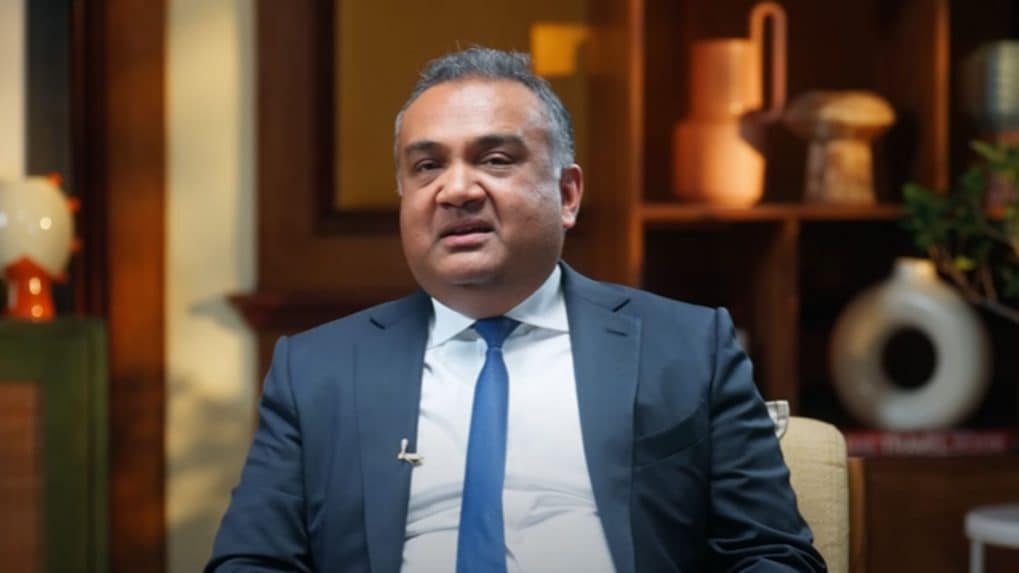
YouTube CEO Neal Mohan has warned about the rise of low-quality, repetitive “AI slop” as the platform accelerates its use of generative artificial intelligence, outlining new safeguards to protect content quality, creator rights and viewer trust in 2026.
In a blog post outlining YouTube’s priorities for the coming year, Mohan said AI will play a growing role in creativity, discovery and viewing — but stressed the need to prevent the platform from being flooded with mass-produced, low-value content.
“The rise of AI has raised concerns about low-quality content, aka ‘AI slop,’” Mohan wrote, adding that while YouTube will continue to support open creative expression, it has a responsibility to maintain a high-quality viewing experience.
To curb the spread of low-value AI-generated content, YouTube said it will strengthen existing systems designed to combat spam, clickbait and repetitive uploads. The company plans to reduce the visibility of low-quality AI content without imposing rigid rules on creators, noting that formats once considered niche — such as ASMR and gameplay videos — later became mainstream.
Alongside content quality, Mohan highlighted the growing risks posed by deepfakes and synthetic media, saying it is becoming harder to distinguish real content from AI-generated material. YouTube said it will continue labeling AI-generated content created using its tools and requires creators to disclose realistic altered or synthetic media.
Where labeling is insufficient, the platform said it will remove harmful synthetic content that violates its Community Guidelines. YouTube is also expanding its Content ID system to give creators greater control over how their likeness and identity are used in AI-generated material, and reiterated its support for legislation such as the NO FAKES Act.
Mohan positioned AI as a “new creative frontier,” comparing it to past technological breakthroughs such as Photoshop, CGI and synthesizers. He said AI is intended to lower barriers to creativity rather than replace human creators, noting that more than one million channels used YouTube’s AI creation tools daily in December.
In 2026, creators will gain access to new features including the ability to generate Shorts using their own likeness, build games from text prompts and experiment with AI-assisted music tools.
Beyond AI, Mohan said YouTube will continue investing in creators as the platform expands across formats such as Shorts, livestreams, podcasts and long-form video. Shorts now averages 200 billion daily views, and YouTube plans to integrate additional content formats, including image posts, into the feed.
The company is also expanding YouTube TV with customizable multiview features and new subscription plans, strengthening parental controls for kids and teens, and rolling out additional monetization tools for creators through shopping, brand deals and fan funding.
Still, Mohan framed AI governance and quality control as central to YouTube’s future.
“Ultimately, we’re focused on ensuring AI serves the people who make YouTube great — creators, artists, partners, and billions of viewers,” he said.