

IndiGo’s 10% winter capacity cut slows expansion but leaves fares steady
Airline restructures 60–80 daily flights to minimise disruption as engine-related groundings continue.

ADVERTISEMENT
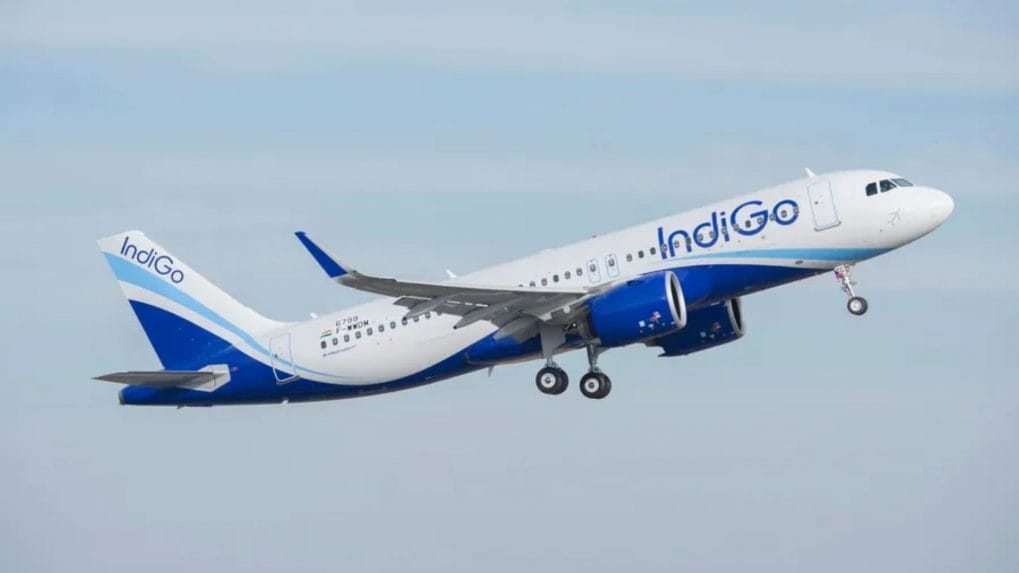
IndiGo’s decision to cut nearly 10% of its winter capacity is not expected to push domestic airfares higher, with the airline structuring cancellations in a way that avoids disruption during peak travel hours. According to information available, IndiGo has removed an estimated 60–80 flights a day from its schedule after receiving approval from the aviation regulator, with most changes concentrated in non-peak travel periods to maintain network stability.
The airline has been adjusting its operations amid ongoing Pratt & Whitney engine-related challenges, which have grounded a section of its A320neo-family fleet. While IndiGo continues to maintain buffer aircraft to reduce irregularities, extended engine shop visits have made short-term scheduling more complex. To retain network consistency, the airline has focused on safeguarding high-demand routes and metro connectivity, ensuring that frequently travelled corridors remain adequately served.
Also read: Pilots body moves Delhi HC against DGCA for ‘wilful non-compliance’ of fatigue rules
The capacity cut also means IndiGo’s near-term expansion plans will advance more slowly than initially outlined. The carrier, which has one of the largest aircraft order books globally, has had to adapt its growth timeline as it balances fleet availability with stable operations. People familiar with developments indicate that certain deployment plans, including some international routes, may require recalibration until more aircraft return to service.
Despite these adjustments, IndiGo is working with engine suppliers to accelerate turnaround times and gradually restore grounded aircraft to active duty. The carrier is also exploring additional short-term measures, such as supplementary leasing, to maintain operational reliability. Load factors remain healthy, and core domestic routes continue to attract strong travel demand, helping IndiGo absorb the impact of the temporary capacity reduction.
For now, the winter schedule remains sufficiently served, and IndiGo’s targeted cancellations are structured to minimise passenger inconvenience. The airline aims to keep fare movements steady while ensuring enough capacity on busy sectors, even as the broader industry continues to navigate supply-side pressures linked to global engine maintenance constraints.