
Explained: What is ‘AI Slop’ and why the internet suddenly feels the same
AI-generated cat and dog videos show how AI slop turns novelty into noise by flooding feeds with endlessly repeated, algorithm-driven content.

ADVERTISEMENT
If your social media feed feels repetitive, oddly familiar, or strangely soulless, you are not imagining it. From near-identical LinkedIn posts and recycled Instagram captions to generic listicles and SEO-stuffed blogs, the internet is increasingly being taken over by what industry insiders now call “AI slop.”
AI slop refers to low-effort, mass-produced content generated using artificial intelligence, often optimised for clicks, reach, or search rankings rather than originality, accuracy, or human insight. It is not necessarily wrong or misleading — but it is rarely memorable.
What exactly is AI slop?
At its core, AI slop is content created quickly and at scale using generative AI tools, with minimal human editing or creative intervention. This includes:
Repetitive social media captions
Formulaic video scripts and reels
SEO-driven blogs rewritten multiple times
AI-generated images and thumbnails that look eerily similar
Because many creators and brands rely on the same tools, prompts, and optimisation tactics, the output begins to blur together. The result is a flood of content that looks polished but feels empty.
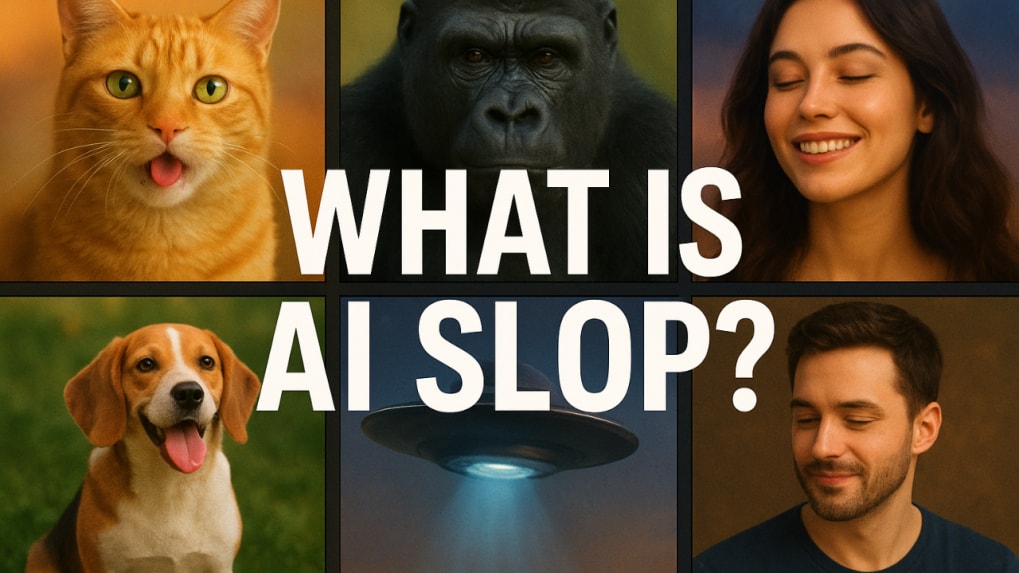
AI-generated cat and dog videos are among the most visible, and deceptively charming, forms of AI slop flooding the internet today. Built using the same prompts, voiceovers and exaggerated emotional templates, these clips churn out endless variations of talking pets and sentimental monologues designed purely to maximise watch time. While occasionally entertaining, their mass replication has turned once-novel formats into predictable content loops, crowding feeds and diluting genuine creativity.
Why was AI slop everywhere in 2025?
The explosion of AI slop is driven by three forces.
First, speed and scale. AI allows one person or team to generate hundreds of pieces of content in the time it once took to create one. For brands, publishers and creators under pressure to “always be on,” this is irresistible.
Second, algorithm pressure. Social and search platforms reward frequency and consistency. AI makes it easier to feed the machine — even if the content adds little value.
Third, low barriers to entry. Anyone with access to AI tools can now create content that looks professional on the surface. This has democratised creation, but also diluted quality.
How AI slop is changing pop culture
AI slop is quietly reshaping internet culture.
Think of viral reels that feel interchangeable, trend-hopping captions and even memes and aesthetics — from AI-generated pets to generic “inspirational” quotes — are beginning to feel templated.
What it means for India’s digital ecosystem
In India, where digital content consumption is growing at an unprecedented pace, AI slop presents a double-edged sword. On one hand, it enables small creators, startups and regional publishers to scale content production. On the other, it risks flooding platforms with low-quality material, making it harder for original voices to stand out.
AI is not going away — but the era of unchecked AI slop may be reaching its limits.