
OpenAI legal battle escalates as Musk demands up to $134 billion in damages
Musk’s legal team argued that he should be compensated as an early-stage investor who would typically expect returns many orders of magnitude higher than the original investment.

ADVERTISEMENT
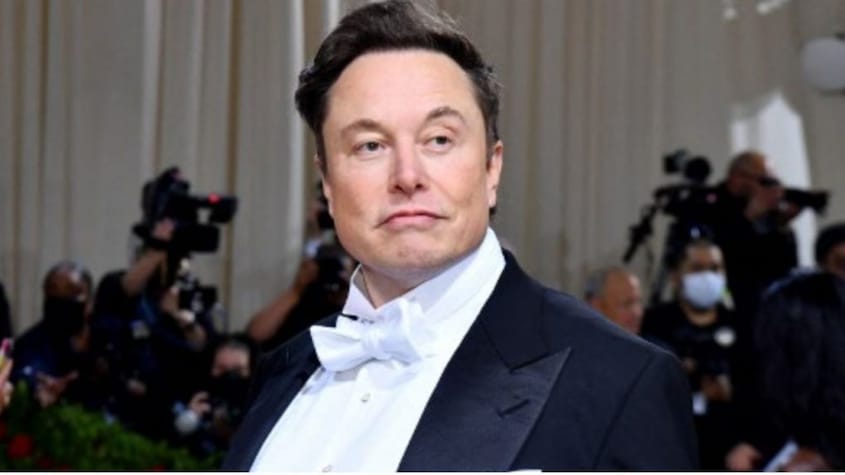
Elon Musk is seeking between $79 billion and $134 billion in damages from OpenAI and Microsoft, alleging that the artificial intelligence company defrauded him by abandoning its original non-profit mission, Bloomberg first reported.
The valuation was presented by expert witness C Paul Wazzan, a financial economist specialising in valuation and damages calculations, whose professional biography notes that he has been deposed nearly 100 times and has testified at trial more than a dozen times in complex commercial litigation matters. Wazzan calculated the damages based on Elon Musk’s $38 million seed contribution when he co-founded OpenAI in 2015, assigning him a significant share of the company’s current estimated $500 billion valuation.
According to Wazzan’s analysis, Musk’s entitlement reflects not only his initial financial backing but also the technical expertise and business input he provided to OpenAI’s founding team. The assessment estimated wrongful gains of between $65.5 billion and $109.4 billion for OpenAI, along with between $13.3 billion and $25.1 billion for Microsoft, which currently holds a 27% stake in the company.
Musk’s legal team argued that he should be compensated as an early-stage investor who would typically expect returns many orders of magnitude higher than the original investment. The scale of the damages being sought, however, highlights that the dispute extends beyond financial recovery.
Musk’s personal wealth is estimated at around $700 billion, making him the world’s richest individual. Reuters recently reported that his fortune exceeds that of Google co-founder Larry Page, the world’s second-richest person, by approximately $500 billion, according to Forbes’ billionaires list. Separately, Tesla shareholders approved a $1 trillion pay package for Musk in November, marking the largest corporate compensation package in history.
In that context, even a potential $134 billion award would represent a relatively small addition to Musk’s net worth. OpenAI has reportedly characterised the lawsuit as part of a broader pattern of harassment rather than a genuine financial dispute. Bloomberg reported that the company sent a letter on Thursday to investors and business partners cautioning that Musk would make deliberately provocative and attention-grabbing claims as the case proceeds to trial.
The lawsuit is scheduled to be heard in April in Oakland, California.