
India’s convenience economy is booming, but delivery workers say human cost remains overlooked
Delivery partners, while speaking with Storyboard18, shared their experiences about being barred from passenger lifts, told to climb multiple floors with heavy loads, and spoken to in a way that reminds them where they stand in the urban hierarchy.

ADVERTISEMENT
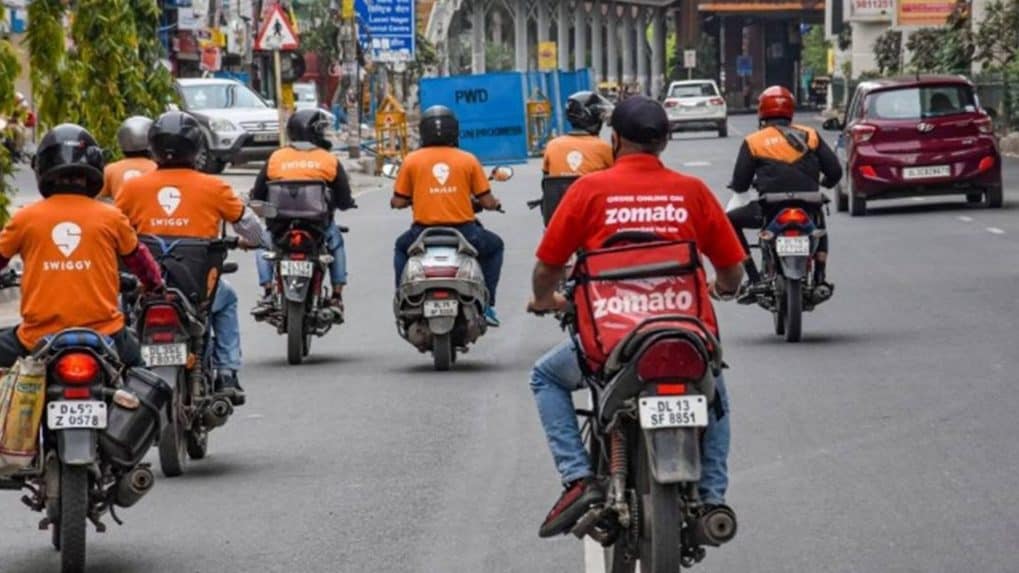
By the time the sun rises over South Delhi's Okhla Industrial Area, Permanand is already waiting outside a restaurant, phone in hand, scanning for the first order of the day. His uniform today is red. By afternoon, he may be blue orange by evening purple.
Every few hours, he switches jerseys. Zomato in the morning, another platform later, following whichever app offers the next delivery, the next kilometre logged. The streets around him change with the seasons. His routine does not.
"I work every day," Permanad said quietly. "Because I want my daughter to have a better life".
What he did not anticipate, he said, was how this work would make him feel unseen.
Across India's tier-1 cities, millions of delivery partners- once celebrated as essential workers during the pandemic-now describe a daily working life shaped not only by long working hours and uncertain pay, but by something harder to quantify: the steady erosion of dignity. They shared their experiences about being barred from passenger lifts, denied access to restrooms, told to climb multiple floors with heavy loads, and spoken to in a way that reminds them where they stand in the urban hierarchy.
As India's gig economy races ahead, these moments rarely get noticed in the policy debates that dominate headlines, centred around wages, algorithms, and delivery timelines. Yet for many workers, the humiliation is as defining as the work itself.
Deepak, a delivery partner for Zepto, remembered a recent delivery to a high-rise housing society in Noida. The service lift was out of operation. The grocery bags in his hands were heavy.
"The security guard in the tower said it was only eight floors," Deepak recalled, "he told me to take the stairs".
He did not argue. Few delivery partners do. Time penalties, low ratings, or cancelled orders can follow even small confrontations.
"We are treated like animals when we enter these societies," Deepak said.
Pratap, who delivers for Blinkit, said he encountered a different kind of rebuke after picking up an order at a mall in Delhi. He stepped into a public lift. "A man asked who allowed me to use it," and "A young lady loudly said that I smelled," Pratab said.
There was no apology. No intervention. The lift door opened. The moment passed.
"These are educated people," Pratap said. "But they don't see us as people".
India's gig economy has grown rapidly in the past five years. According to the government's think tank Niti Aayog, the sector was expected to employ more than one crore workers in 2024-25, a figure projected to rise to 2.35 crore by 2029-2030.
'What is gig work?'
Gig work spans far beyond food and grocery delivery: freelancers, repair technicians, beauticians, and drivers now operate through app-based platforms. Yet delivery partners have become the most visible and vulnerable face of the models, their labour compressed into minutes and mapped by GPS.
'Speed and discontent'
In the past weeks, protests by a section of delivery partners drew attention to their unpredictable earnings, opaque rating system, unpaid waiting time and rising fuel costs. During Christmas and New Year's Eve in 2025, many delivery partners took to the streets, demanding pay, safer conditions and an end to the 10-minute delivery promise.
The protests prompted a response from the Centre, which directed platforms to scrap the 10-minute delivery threshold- a move welcomed by delivery partners, but viewed by many workers as only a partial fix.
Industry leaders argue that ultra-fast delivery is less about recklessness than consumer expectations. "The 10-minute promise is a proxy for on-demand commerce," said Ravi Swarup, a partner at Bain & Company in India. "Even with 20 to 30-minute deliveries, India will remain at the cutting edge of digital commerce innovation".
While the union said that the focus on speed has obscured deeper problems. "These are not isolated incidents," said Shaik Salauddin, founder and president of the Telangana Gig and Platform Workers' Union. "Denial of entry, separate lifts, lack of restrooms, unpaid waiting time-all these are structural outcomes of an unregulated system".
'Companies defend work model'
Companies say the gig model provides flexibility and scale, and that worker welfare initiatives are expanding.
Deepinder Goyal, founder of Eternal Ltd, which owns Zomato and Blinkit, recently said the company spent Rs 100 crore in 2025 on insurance coverage for delivery partners, with premiums fully paid by the company. He also cited initiatives such as paid rest days for women delivery partners, tax filing assistance and access to a gig-specific National Pension Scheme.
A 2024 report by Fairwork India Ratings, which assessed platforms on criteria including fair pay and working conditions, gave Zomato, Swiggy, Urban Company and Big Basket a score of six out of 10. However, the recent strike revealed a more gruesome reality.
Slaudding noted that younger workers, mainly the Gen Z cohort, are increasingly vocal. "They are more aware of their rights," he said. "They resist unfair ratings, sudden deactivation and the absence of social protection. They are asking not just for income, but for dignity".
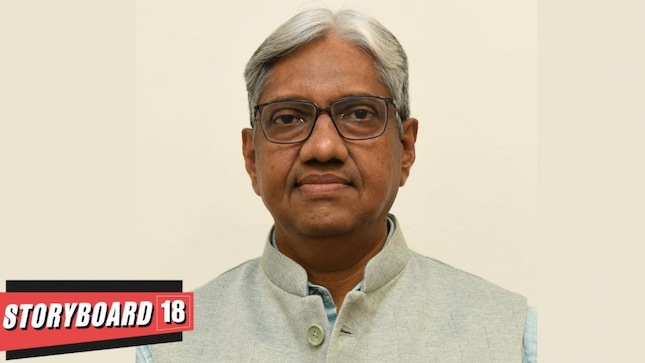
However, Narayan, Chief Executive of the job marketplace at Apna.co, argued that while concerns regarding restroom access and sanitation are valid, they are often highly localized issues. "The gig economy narrative has been hijacked by quick commerce," he added, "The solution lies in platform-driven nudges rather than just legal mandates".
According to him, the gig economy offers high-value, reasonable earning opportunities for skilled professionals. "By focusing solely on delivery, we overlook the breadth of the gig model and the professional dignity it provides to thousands of skilled workers across various trades".
For delivery partners like Premanad, such distinctions feel academic. By evening, he will still be navigating traffic, phone mounted to his handlebars, eyes flicking between the road and the app. The platform will track his speed, his acceptance rate, and his consumer ratings.
What it will not measure, he said, is how often he is told where he does not belong.
The orders will keep coming. So will the uniforms.
"I don't want sympathy," Premanad said as he waited for another ping. "I want respect".