
India should prioritise Indic AI models over foundational ones, says OpenAI researcher
He informed that building foundational models is highly capital-intensive and places India in direct competition with companies developing the world’s most advanced AI systems.

ADVERTISEMENT
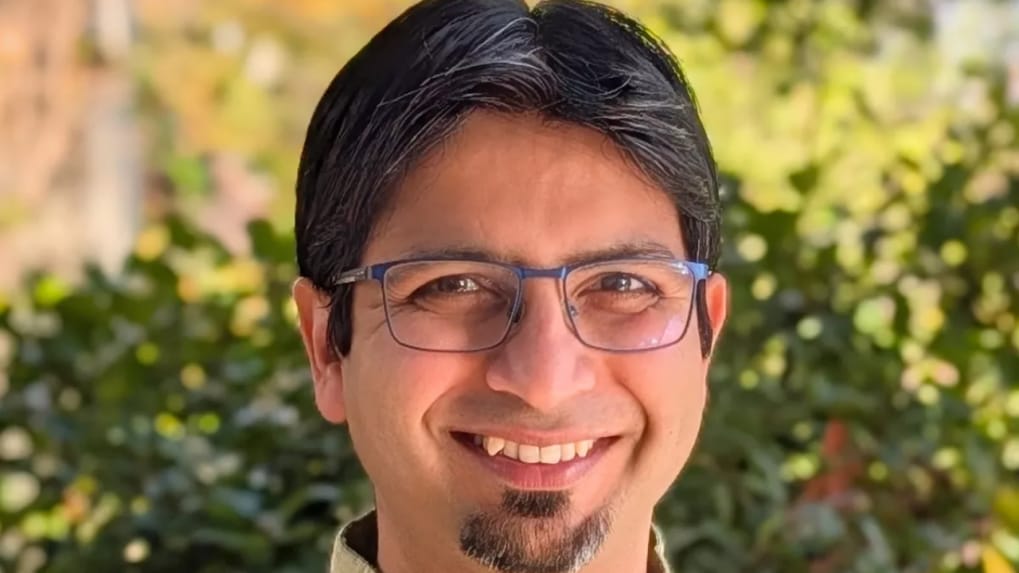
India should focus on developing artificial intelligence models tailored for Indian languages rather than competing directly with the United States and China in building large foundational AI systems, Sushant Sachdeva, a researcher at OpenAI and an academic at the University of Toronto, said, according to a report by The Economic Times.
Speaking to The Economic Times on the sidelines of the Infosys Prize 2025 ceremony, where he was awarded the prize for engineering and computer science, Sachdeva said India needs to make a strategic decision about which part of the AI development pipeline it wants to fund. He informed that building foundational models is highly capital-intensive and places India in direct competition with companies developing the world’s most advanced AI systems.
Sachdeva stated that India’s greatest advantage lies in its linguistic diversity and population scale, noting that speakers of Hindi and other Indian languages far outnumber speakers of many foreign languages, yet remain underserved by existing AI systems.
According to him, India already has the talent pool and technical capability to build robust local language models without creating foundational models from the ground up. He informed The Economic Times that Indian developers can build on publicly available models and datasets to deliver practical value without attempting to rival companies such as OpenAI or Alibaba.
His remarks come at a time when India is accelerating efforts to strengthen its position in the global AI ecosystem. Last week, Prime Minister Narendra Modi stressed the importance of developing indigenous AI models that promote local content and regional languages during an interaction with select Indian AI startups ahead of the AI Impact Summit 2026.
Several Indian startups, including Sarvam AI, Krutrim, Gnani.ai and Fractal Analytics, are currently working on foundational models and are receiving support under the government-backed IndiaAI Mission.
Sachdeva was recognised by the Infosys Science Foundation for his contributions to algorithms and theoretical computer science. His research focuses on areas such as optimising transportation networks using geographical data and improving the efficiency of data transfer across locations.