
Coca-Cola and beverage firms double aluminium can imports as regulatory delays strain supply
Aluminium cans were brought under mandatory BIS certification through a quality control order implemented in April last year, with the stated objective of improving freshness, safety and recyclability.

ADVERTISEMENT
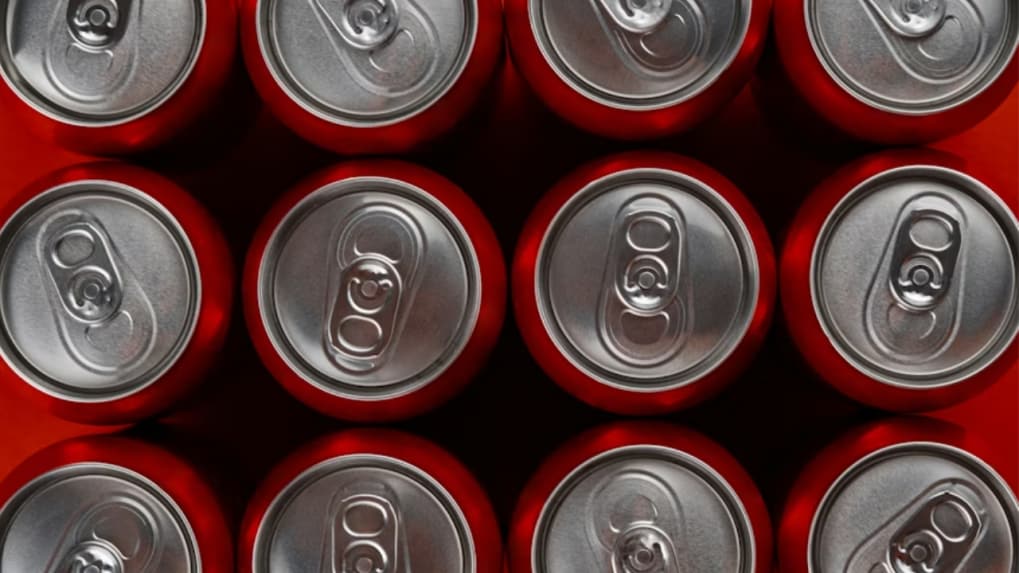
India is staring at a shortage of aluminium cans just as peak summer demand approaches, raising concerns for Coca-Cola and other beverage manufacturers as regulatory delays and rising consumption put pressure on supplies, according to a report by The Economic Times.
Executives informed the publication that makers of soft drinks and beer have doubled orders of imported cans from West Asia and Sri Lanka to avoid disruptions once temperatures rise. The move follows prolonged compliance timelines linked to mandatory Bureau of Indian Standards certification for aluminium cans and a sharp increase in consumer demand.
Industry executives expect double-digit growth in demand for metallic cans this year and are attempting to prevent a repeat of last summer, when shortages disrupted supplies, as reported by The Economic Times.
Beer producers, who also source 500 ml cans from countries such as Germany, Thailand, Poland and Indonesia, have approached the government seeking a one-year postponement of certification requirements for imported cans or exemptions for applications that are still pending.
Aluminium cans were brought under mandatory BIS certification through a quality control order implemented in April last year, with the stated objective of improving freshness, safety and recyclability. Under the revised rules, both domestic and overseas manufacturers must meet detailed technical standards covering material composition, lids, dimensions, seam integrity, pressure resistance, leakage prevention, chemical stability and coating adherence.
However, the certification process has been slow, with approvals reportedly requiring physical inspection of overseas manufacturing facilities, leading to significant delays. Vinod Giri, director general of the Brewers Association of India, stated that manufacturers need empty cans by the end of February to scale production for the summer season and informed that the association is in discussions with the Department for Promotion of Industry and Internal Trade to seek extensions to BIS certification requirements for imported cans, as setting up new domestic capacity and securing overseas certifications takes time.
Demand for beverage cans has risen sharply, with cans now accounting for more than 25% of annual soft drink and beer sales, double the share recorded two years ago. Industry executives said cans are increasingly seen as aspirational, more convenient than glass or PET bottles, and easier to recycle.
A senior executive at a cola company said manufacturers were caught unprepared last year as domestic suppliers failed to meet demand, while imports from West Asia were disrupted by geopolitical tensions. The executive added that companies have placed double the number of import orders this year based on demand forecasts to ensure growth is not impacted during the upcoming summer season.
Most soft drink manufacturers currently rely on imports from Sri Lanka and West Asian countries such as the UAE, which have large-scale and cost-efficient aluminium can manufacturing capacities.
The Brewers Association of India informed that beer makers faced an annual shortfall of 120 to 130 million units of 500 ml cans last year and warned that failure to bridge this gap through imports could lead to a revenue loss of around Rs 1,300 crore for state governments. In a representation made in the previous quarter, the association sought interim relaxations to the quality control order to allow uninterrupted supplementary supplies from overseas.
Executives at leading can manufacturers including Ball Beverage Packaging and Canpack stated that domestic capacity has already been fully utilised and that adding new production lines would take up to a year.
Currently, beverage companies import around 20% of their aluminium cans. According to global research firm Persistence Market Research, India’s aluminium beverage can market is projected to double to $800 billion by 2032 from $400 billion last year, with the segment recording 8.5% growth between 2019 and 2023.
The past year has also seen Coca-Cola, PepsiCo and Reliance Consumer introduce smaller cans starting at 200 ml priced from Rs 10 onwards, including sugar-free, low-sugar and energy drink variants, further adding to demand pressure.
The aluminium can shortage was first flagged by United Breweries during its June quarter earnings call last year, when managing director Vivek Gupta informed that limited can availability had reduced revenue by 1–2% during the April–June 2025 period and stated that there was no quick fix to address the supply constraints.