
'The doorbell is not the problem': Zomato’s Deepinder Goyal on why gig work makes the rich uncomfortable
In the wake of delivery worker strikes, Zomato co-founder Deepinder Goyal defends the gig economy, arguing that its most controversial feature is the visibility of inequality rather than a failure of regulation.

ADVERTISEMENT
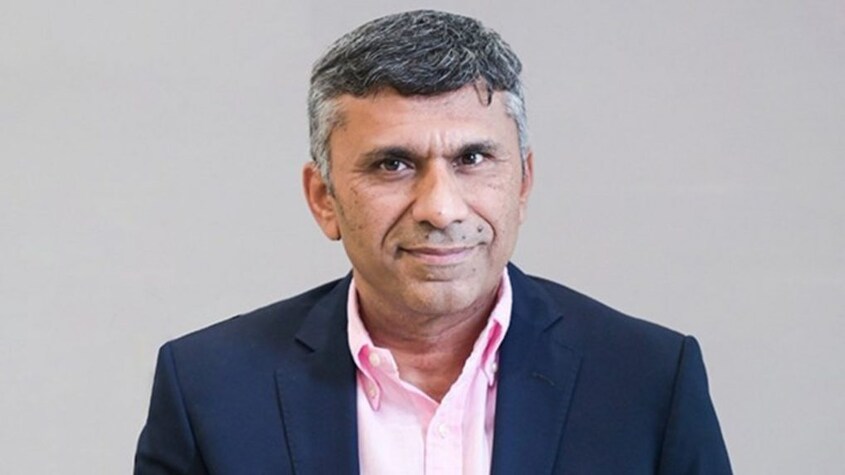
A day after delivery partners across platforms went on strike, Zomato’s co-founder and chief executive, Deepinder Goyal, published a lengthy and unusually candid reflection on the gig economy — one that reframed the debate not as a question of wages or regulation, but as a confrontation with class, guilt and visibility.
For centuries, Goyal wrote, economic inequality was sustained not only by pay gaps but by distance. Factory workers laboured behind walls, farmers worked in distant fields, and domestic help remained out of sight. The wealthy consumed the results of that labour without ever encountering the people who produced it. Inequality existed, but it was abstract — and therefore emotionally manageable.
The gig economy, he argued, broke that arrangement at scale.
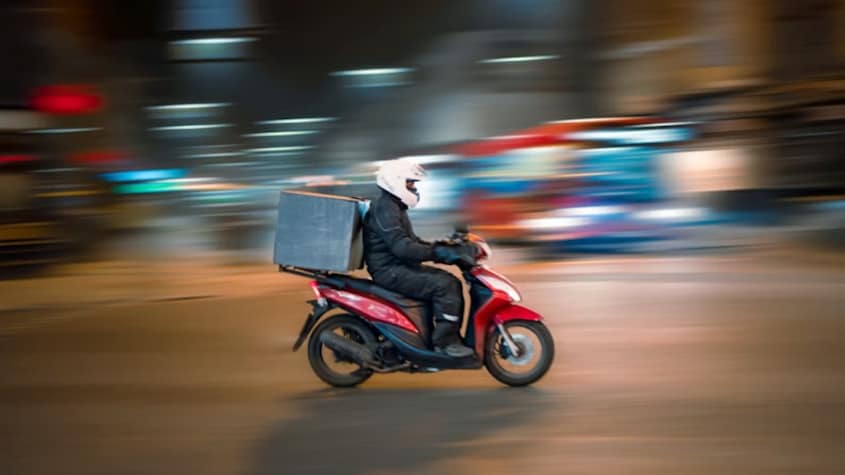
Delivery workers are no longer invisible. They appear at the doorstep, often late at night or in harsh weather, handing over high-value food orders or quick-commerce essentials. Consumers see the exhaustion, the long hours, the borrowed bikes, the polite smiles masking frustration. For the first time, Goyal said, the working class and the consuming class interact face to face, transaction after transaction.
That proximity, he suggested, is the true source of discomfort driving the backlash against gig platforms. Inequality, once distant, has become personal. An ₹800 or ₹1,000 order can now feel uncomfortably close to a worker’s daily earnings after fuel costs, bike rentals and platform commissions. Consumers tip awkwardly, avoid eye contact or debate the morality of the system — not because inequality is new, but because it is suddenly visible.
Last one on this topic, and I have been holding this in myself for a while.
— Deepinder Goyal (@deepigoyal) January 2, 2026
For centuries, class divides kept the labor of the poor invisible to the rich. Factory workers toiled behind walls, farmers in distant fields, domestic help in backrooms. The wealthy consumed the fruits…
In Goyal’s telling, the public argument over the gig economy is less about economics and more about an emotional reckoning. Some defend the model by arguing that workers choose this form of employment; others condemn it as exploitation. But beneath both positions, he wrote, lies the same unease: the loss of invisibility that once allowed consumption without guilt.
That, he warned, is where policy risks going wrong.
Banning gig work or heavily regulating it into unviability, Mr. Goyal argued, does not eliminate inequality. It removes livelihoods. These jobs, he said, do not reappear overnight as formal, protected employment. Instead, they vanish or are pushed back into the informal economy — where protections are weaker, accountability is lower and dignity is rarely debated at all.
Over-regulation, in his view, produces the same outcome by different means. Costs rise, demand falls, and the people platforms claim to protect are the first to lose income. What follows, he suggested, is a return to comfort for the consuming class: convenience without faces, services without doorbells, and moral debates conducted at a safe distance.
The poor, he wrote, do not become safer in that scenario. They become invisible again — absorbed into cash economies, backrooms and shadows where regulation seldom reaches.
Goyal framed the gig economy as exposing a reality that previously remained hidden from those with the privilege not to see it. The problem, he argued, is not the delivery partner at the door. It is what society chooses to do after opening it.
Visibility, he said, is the price of progress. That discomfort can either be used to improve systems incrementally — as platforms continue to adjust conditions for the delivery partners they rely on — or rejected in favour of bans and over-regulation that restore ignorance while claiming virtue.
One path, he argued, improves lives. The other merely allows inequality to exist, once again, out of sight.