
Satya Nadella keeps executives out of new AI meetings as Microsoft accelerates AI push
This bottom-up model reflects Nadella’s view that AI represents both an existential risk and a once-in-a-generation opportunity for the company.

ADVERTISEMENT
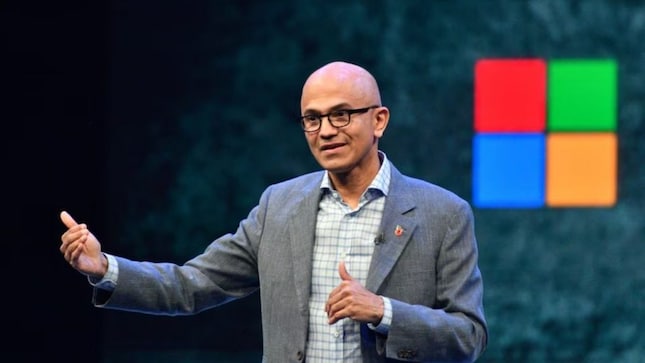
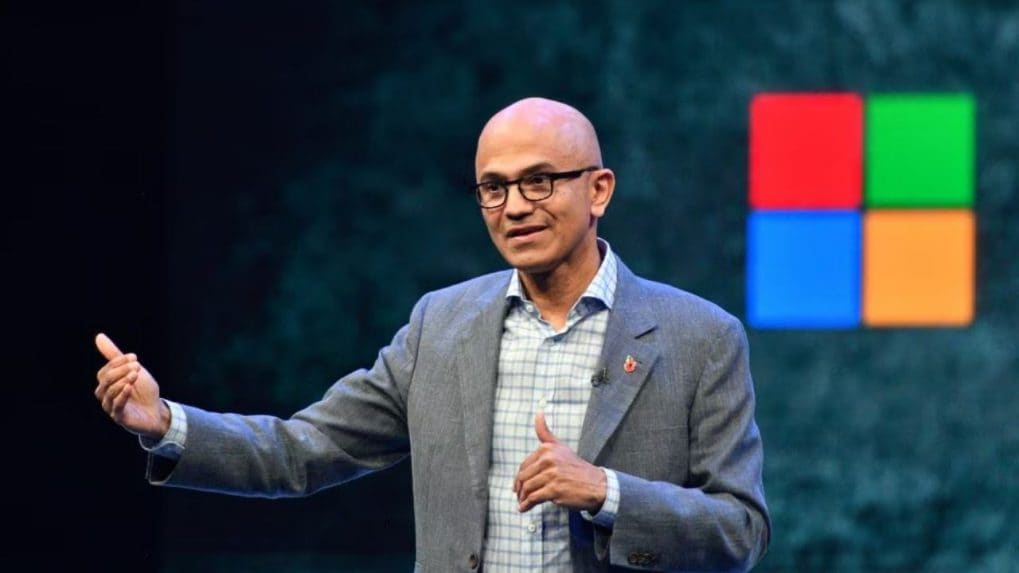
Microsoft is overhauling the way it drives its artificial intelligence strategy, beginning with a major shift in how information flows to the top. Chief executive Satya Nadella has introduced a new weekly “AI accelerator” meeting that deliberately excludes senior executives from presenting, placing engineers and technical staff at the centre of discussions.
According to internal communications and employee accounts, the new format is designed to surface unfiltered insights from teams actually building Microsoft’s AI systems. Instead of relying on polished presentations and carefully managed narratives, Nadella is seeking direct, sometimes rough feedback from frontline engineers. The move represents a sharp departure from Microsoft’s traditional leadership structure, where information typically moves upward through multiple layers of management before reaching the CEO.
The meetings are intentionally informal and structured to encourage speed and honesty. Nadella has paired the sessions with a dedicated internal Teams channel, allowing engineers to share updates, blockers and ideas without executive mediation. By removing senior managers from the presentation layer, Microsoft aims to reduce internal delays, cut through politics and expose technical challenges much earlier in the development cycle.
This bottom-up model reflects Nadella’s view that AI represents both an existential risk and a once-in-a-generation opportunity for the company. That framing has increased urgency across Microsoft, with teams being pushed to accelerate development and rethink long-standing processes.
The accelerator meetings are part of a broader organisational reset. Nadella recently restructured the company’s leadership to create more time for his own deep technical focus. Sales chief Judson Althoff was promoted to chief executive of Microsoft’s commercial business, a change intended to allow Nadella to concentrate on infrastructure, systems architecture and AI product execution. The shift was underscored when Althoff, rather than Nadella, delivered the keynote at Microsoft’s recent Ignite event.
Internally, Nadella has also urged senior leaders to rethink their roles. In messages shared with corporate vice presidents, he encouraged them to operate more like individual contributors than traditional managers, emphasising learning, unlearning and staying close to the work. The new meeting format reinforces that philosophy by elevating builders over coordinators.
The cultural change has been accompanied by direct accountability. Nadella has reportedly held conversations with top executives about their willingness to commit fully to the scale of effort required for Microsoft’s AI transformation. Those unable to match the expected intensity are being encouraged to reconsider their future at the company. The message is unambiguous: AI is no longer a side initiative, but the core of Microsoft’s strategy.
Nadella’s language around the company’s AI transition has also shifted. He now describes Microsoft as being in the “middle phase” of the transformation rather than at the beginning, signalling long-term commitment and deep integration of AI across the business, from cloud infrastructure to productivity software and enterprise tools.