
When opting out of Valentine’s Day became good marketing
As relationships evolve and singles spend more on themselves, brands are rejecting Valentine’s Day out of cultural and commercial clarity.

ADVERTISEMENT
For years, Valentine’s Day was a marketing certainty. Brands knew exactly what to sell and how to sell it: romance, gifting, togetherness, and just enough emotional pressure to convert affection into transactions.
But in early 2026, something unusual began happening. Marketers themselves, especially on Instagram, started telling brands to do the unthinkable: do not celebrate Valentine’s Day at all.
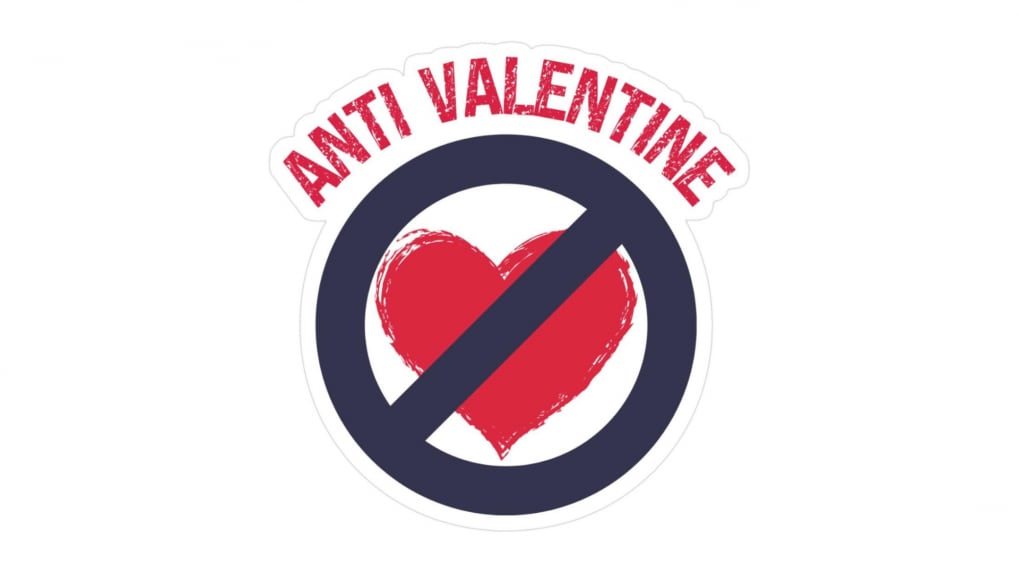
Instead, they argued, brands should design Anti-Valentine’s Day campaigns.
Not as satire. Not as rebellion for rebellion’s sake. But as a calculated response to how relationships, households, and spending habits are changing.
When Instagram Becomes the Briefing Room
The idea did not originate in a boardroom. It surfaced in Instagram reels made by marketers, strategists, and culture commentators, videos that quickly gained traction within industry circles.
The pitch was blunt.
Single-person households are at an all-time high globally. Marriage is being delayed well into people’s 30s. Divorce rates in Indian metro cities have risen sharply, by around 30 percent according to India DataMap. And a growing cohort of consumers simply does not see Valentine’s Day as relevant to their lives.
These marketers were not offering cultural commentary. They were offering commercial advice.
Singles, they argued, are not disengaged consumers. They are some of the most active spenders, on dining out, shopping, experiences, and personal indulgence. February 14, traditionally framed as a couples-only occasion, ends up alienating precisely the people most willing to spend on themselves.
Anti-Valentine’s Day, in this framing, is not anti-love. It is anti-assumption.
Also read: How to stop Instagram from showing hyper-personalised ads: a step-by-step guide
The Problem With Valentine’s Day Marketing
At its core, Valentine’s Day advertising is exclusionary. It centres romantic couples and treats everyone else as peripheral, friends, singles, recently divorced consumers, or people simply uninterested in performative romance.
For brands, this creates a strategic mismatch. The occasion demands emotional participation, but a growing audience feels indifferent, or actively resistant, to that demand.
Marketers now see two choices. First, expand Valentine’s Day to include everyone. Second, reject it entirely and stand out.
Increasingly, brands are choosing the second.
Why? Because rejection cuts through clutter faster than inclusion. Anti-Valentine’s Day messaging feels self-aware, ironic, and culturally fluent, particularly to Gen Z and millennials who are sceptical of manufactured sentiment.
Opting out has become more relatable than opting in.
Cadbury 5 Star: The Blueprint for Anti-Valentine’s Day
No brand illustrates this shift better than Cadbury 5 Star.
Over the last few years, the brand, working with Ogilvy, has systematically positioned itself not as a Valentine’s Day staple, but as an escape route from the day itself.
In 2023, Cadbury 5 Star launched Valentine’s Day Alibi. The brand took over an island on India’s west coast and renamed it My Cousin’s Wedding, offering singles the perfect excuse to disappear on February 14. The campaign has since crossed 29 million YouTube views.
In 2024, the brand escalated with Erase Valentine’s Day. The film introduced a fictional travel vessel designed to skip February 14 altogether. Set inside an ISRO-style control room, it featured aerospace scientist Nambi Narayanan explaining the science behind bypassing Valentine’s Day, allowing the crew to eat 5 Star bars and do nothing. The video crossed 18 million views.
In 2025, Cadbury 5 Star went even further with Destroy Valentine’s Day. Based on the cultural insight that trends lose coolness once older generations embrace them, the brand funded older couples, referred to as “uncles in love”, to aggressively celebrate Valentine’s Day. Users could nominate couples via a dedicated website and even earn commissions. The result was 50 million views in just 12 days.
Also read: Where does the word algorithm come from? Here's what it actually means
Across all these campaigns, the messaging never changed. Eat 5 Star and do nothing.
Cadbury 5 Star’s success is not just about humour. It is about consistency and cultural honesty.
The brand does not mock love. It mocks the pressure surrounding it. It positions itself as a release valve in a season overloaded with expectation, obligation, and performance.
Importantly, the campaigns do not ask consumers to hate Valentine’s Day. They give them permission to ignore it. That distinction matters.
However, the approach is not without criticism. Some argue that campaigns like Destroy Valentine’s Day risk caricaturing older generations or turning sincere relationships into punchlines. Others see it as harmless exaggeration rooted in observational humour.
From a marketing perspective, the tension itself fuels visibility. The campaigns generate discussion, nostalgia, and high recall, without competing directly with traditional romance-led advertising.
Consumers today respond less to idealised emotional narratives and more to brands that acknowledge fatigue, ambivalence, and cultural discomfort. Marketing is moving away from aspiration and toward alignment, mirroring how people actually feel.
Valentine’s Day is not disappearing. But its cultural dominance is no longer guaranteed.
For a growing segment of consumers, February 14 is no longer about romance. It is about opting out without explanation, spending on oneself, and refusing to perform intimacy on cue.
And for brands willing to be audacious, Anti-Valentine’s Day is not just a creative twist. It is becoming a serious strategy.