
Delhi HC orders blocking of illegal streaming during ICC Under-19, Men’s T20 World Cups
The Department of Telecommunications (DoT) and the Ministry of Electronics and Information Technology (MeitY) to issue necessary directions to ensure compliance across networks.

ADVERTISEMENT
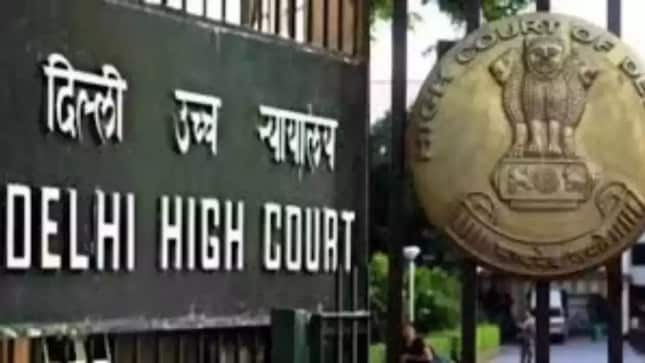
The Delhi High Court has granted sweeping interim relief to JioStar India Private Limited, restraining a clutch of rogue websites from illegally streaming the ongoing ICC Under-19 Men’s Cricket World Cup 2026 and the upcoming ICC Men’s T20 Cricket World Cup 2026, in a significant order aimed at curbing digital piracy of live sporting events.
In an order dated January 29, 2026, Justice Jyoti Singh held that JioStar had established a strong prima facie case of copyright infringement and granted an ex parte ad interim injunction against seven identified rogue websites, along with enabling a “dynamic” enforcement mechanism to block future mirror or proxy sites that may surface during the tournaments.
JioStar informed the court that it holds exclusive broadcast and digital media rights for multiple ICC events under a media rights agreement signed with the International Cricket Council (ICC) in August 2022, valid from 2024 to 2027. The exclusivity covers television and digital transmission in India, including live streaming, highlights, clips and delayed telecasts through its network of over 100 channels and OTT platform JioHotstar.
The company argued that the illegal dissemination of live matches posed an immediate threat to its revenues and undermined its Broadcast Reproduction Rights under Section 37 of the Copyright Act, 1957, especially given the time-sensitive nature of live sports content.
Also read: Breaking: Zupee lays off 200 employees in second phase amid strategic realignment
The Under-19 World Cup began on January 15 and concludes on February 6, while the Men’s T20 World Cup is scheduled from February 7 to March 8, with matches in India and Sri Lanka—prompting the court to dispense with pre-institution mediation and grant urgent relief.
According to the plaint, the defendant websites were found to be habitual offenders, structured primarily to host pirated content and unlawfully retransmit live sporting events. The court noted that JioStar had submitted evidence showing that some of these websites were already streaming live matches from the ongoing tournament, in certain cases even using the broadcaster’s feed and registered trademarks.
The court observed that such platforms often resurface through mirror or redirect domains once blocked, making traditional injunctions ineffective unless backed by dynamic enforcement tools.
Invoking earlier precedents on online piracy, the High Court issued a “Dynamic+ injunction”, restraining the websites from hosting, streaming, reproducing or communicating any part of the ICC tournaments without authorisation. The order allows JioStar to extend the injunction to newly discovered infringing websites during the currency of the tournaments by notifying authorities and filing supporting affidavits.
Also read: Tourism ministry flags influencer misinformation risks, rules out direct monitoring
The court directed Domain Name Registrars (DNRs), including Tucows, Namecheap, Dynadot and others, to immediately suspend and block the identified domain names.
Internet Service Providers (ISPs) and telecom service providers to block access to the infringing websites.
The Department of Telecommunications (DoT) and the Ministry of Electronics and Information Technology (MeitY) to issue necessary directions to ensure compliance across networks.
DNRs have also been asked to submit sealed affidavits disclosing registrant details such as email IDs, contact numbers, payment information and KYC records linked to the rogue websites.
The court held that allowing continued piracy during live sporting events would cause irreparable harm, both in terms of revenue loss and dilution of exclusive rights acquired at significant cost. Justice Singh noted that delaying enforcement would effectively render the broadcaster’s rights meaningless given the short life cycle of live sports content.
At the same time, the order provides safeguards, allowing any non-infringing website that may be inadvertently blocked to approach the court for modification, subject to an undertaking against illegal dissemination.
The matter will next be reviewed by the Court on February 26, 2026, with further hearings scheduled in April.