
Auto retail sales jump 14.6% YoY in December on GST-led recovery: FADA
Passenger vehicle EV sales accounted for 3.94% of total PV sales in December 2025, up from 3.09% in the same period last year. Two-wheeler EVs also saw higher penetration, with EVs making up 7.40% of total two-wheeler sales

ADVERTISEMENT
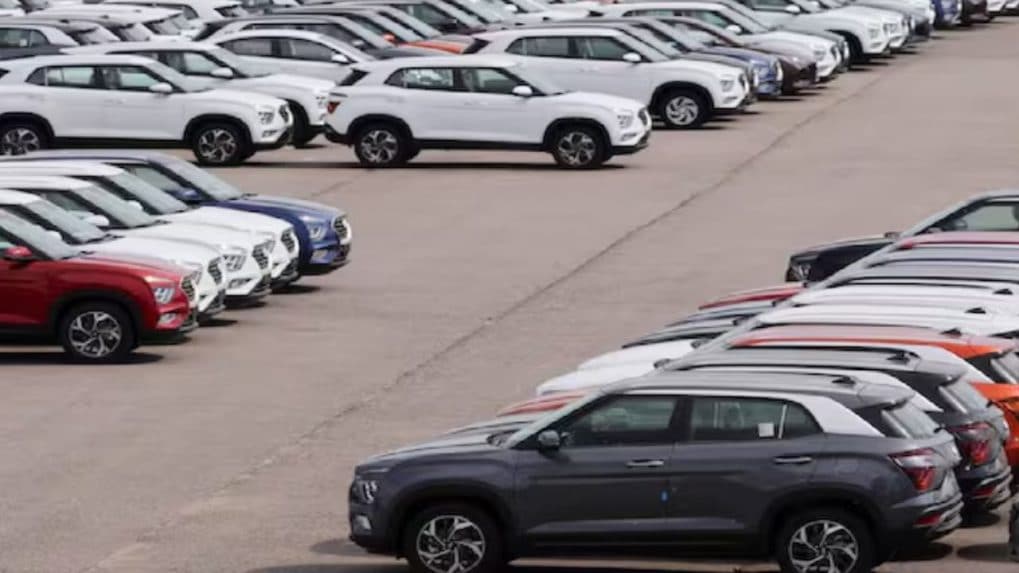
India’s auto retail sales recorded robust growth in December 2025, with total vehicle retails across categories rising 14.63% year-on-year to 20,28,821 units, according to data released by the Federation of Automobile Dealers Associations (FADA).
All major segments—passenger vehicles (PVs), commercial vehicles (CVs), two-wheelers and three-wheelers—posted growth during the month. Passenger vehicle sales surged 26.64% year-on-year to 3,79,671 units, aided by improved affordability following the government’s GST rate revisions announced in late September.
Two-wheeler sales rose 9.50% to 13,16,891 units, while commercial vehicle sales stood at 83,666 units during the month.
Passenger vehicle EV sales accounted for 3.94% of total PV sales in December 2025, up from 3.09% in the same period last year. Two-wheeler EVs also saw higher penetration, with EVs making up 7.40% of total two-wheeler sales compared with 6.13% in December 2024.
FADA data showed stronger traction in rural markets, with rural passenger vehicle sales growing 32.40% year-on-year, outpacing urban PV sales growth of 22.93% in December 2025.
On a full-year basis, India’s auto retail market closed calendar year 2025 on a strong note, with total retails reaching 2,81,61,228 units, marking a 7.71% year-on-year growth.
Commenting on the performance, FADA President C S Vigneshwar said 2025 unfolded as “a tale of two halves.” “From January to August, demand remained subdued despite supportive macro cues such as direct tax relief in the Union Budget and cumulative rate easing by the RBI. Customers remained value-conscious and financier approvals were selective, leading to uneven conversions,” he said.
According to Vigneshwar, the turning point came from September onwards following the implementation of GST 2.0 rate rationalisation, which included meaningful reductions for mass segments such as small cars, two-wheelers up to 350cc, three-wheelers and key commercial vehicle categories. “Improved affordability lifted sentiment, resulting in a clear upshift in demand through September to December,” he added.
Looking ahead, dealer sentiment remained positive for January 2026, with 70.48% of dealers expecting growth. FADA noted that January is likely to be two-paced, with a seasonally softer first half followed by stronger demand in the second half as buying activity typically picks up after Makar Sankranti and Pongal and into the marriage season.
Macro tailwinds, including the RBI’s repo rate cut in December 2025 and continued focus on system liquidity, are expected to support borrowing sentiment. Rural demand is also likely to remain supportive, aided by healthy rabi sowing progress and the near completion of the kharif harvest, which typically improves cash flows in hinterland markets.
For the January-March 2026 period, FADA’s dealer survey indicated upbeat outlook, with 74.91% of dealers expecting growth. Demand is expected to remain supported by post-GST sentiment, a packed festive and wedding calendar, and typical financial year-end buying, even as affordability sensitivity and OEM price hikes remain watch points.